ТОВ «ЕМСС»
61016, м Харків,
вул. Андріївська, буд. 41/43
61016, м Харків,
вул. Андріївська, буд. 41/43
Тел./факс: +38 057 782 19 39
email: info@emcc.pro
www.emcc.pro
email: info@emcc.pro
www.emcc.pro
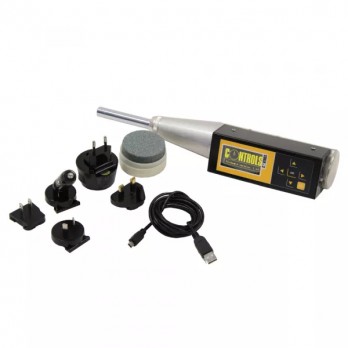
The rebound number determined by this method can be used to assess the uniformity of concrete in situ, to delineate zones or areas of poor quality or deteriorated concrete in structures.
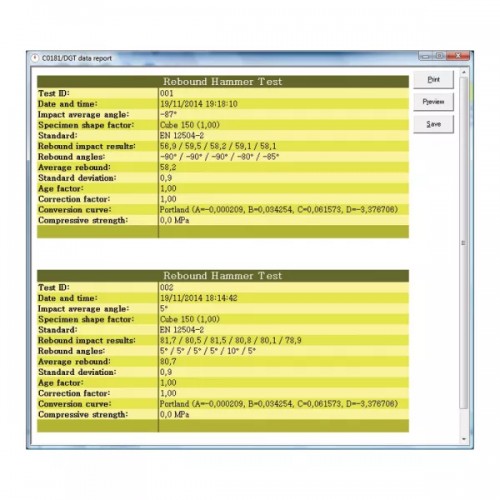
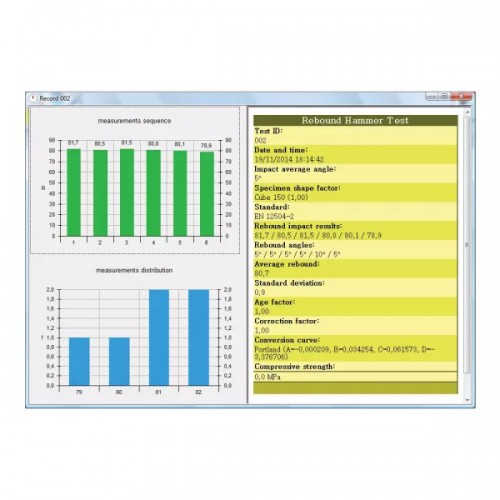
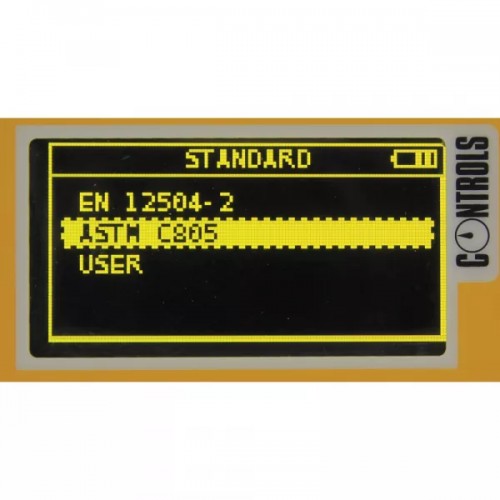
This NDT test method is not intended as an alternative for the compressive strength determination of concrete, but with suitable correlations already saved in the instrument, it provides an estimate of the in situ compressive strength. The hammer may be used for comparative testing, referenced against a concrete with known strength or against a concrete verified as conforming to a particular strength class.
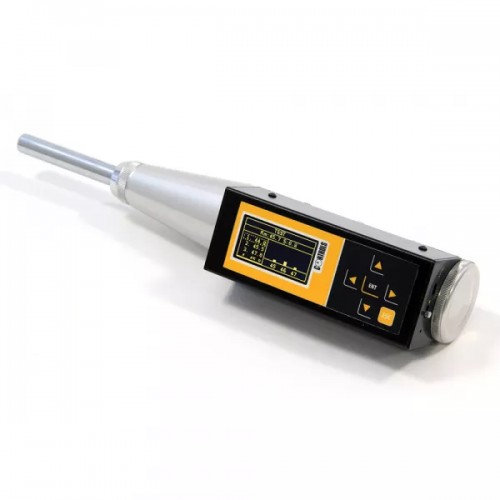
The rebound hammers measure the rebound of an anvil impacting a plunger in contact with the concrete surface.
With this advanced instrument the rebound value is calculated with an innovative technology taking into account the anvil speed before and after the impact.
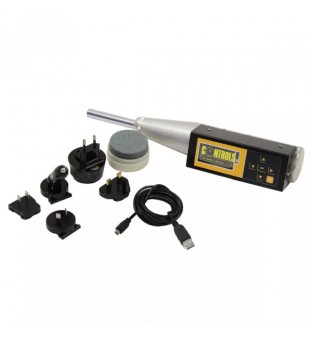
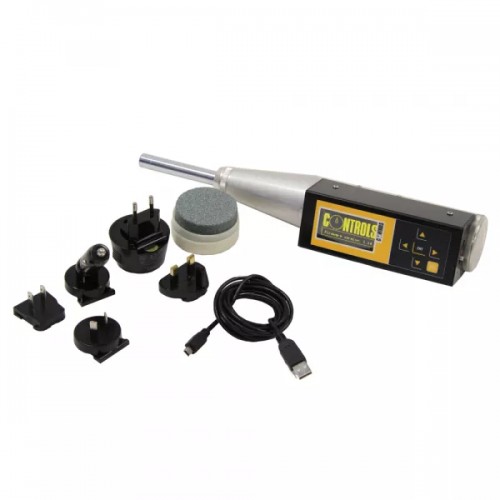
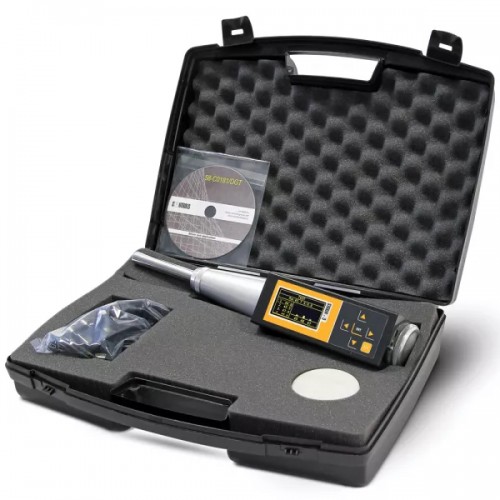
This new working principle is equivalent to the traditional measurement of maximum spring length after the impact, but it provides the following benefits:The instrument is provided complete with: multi-voltage / multi-frequency battery charger and suitable cable; USB cable for PC connection; PC software; abrasive stone; user manual and carrying case.
| Виробник | |
| Виробник | Controls |
| Технічні характеристики | |
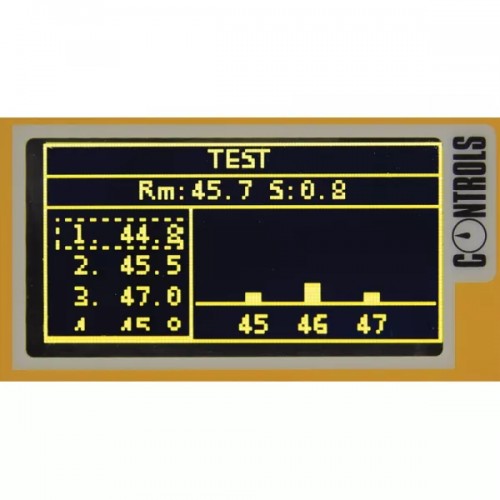
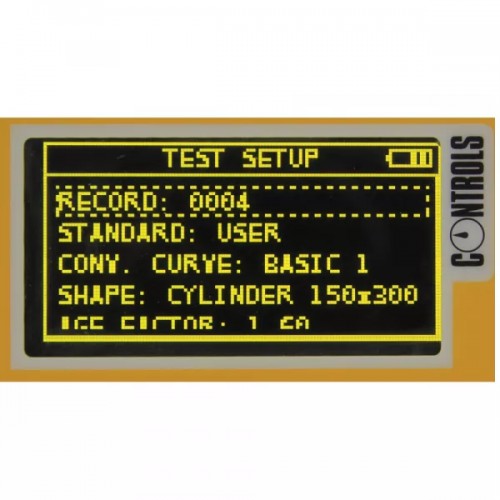
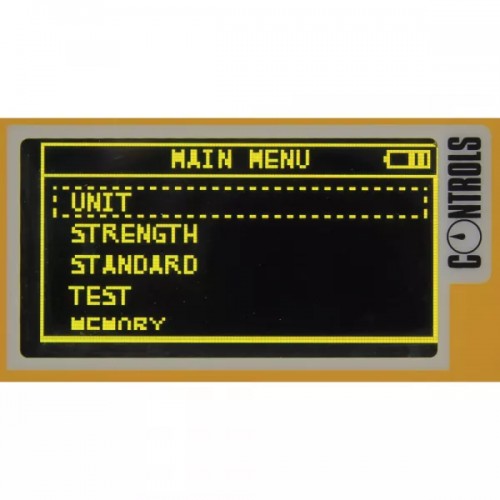
| Дисплей | Графічний дисплей з високим контрастом 128x64 піксель та 6 клавіш клавіш клавіш клавіш Результати відображаються у вигляді числового та графічного формату |
| Енергія удару | 2.207 Nm |
| Робочий діапазон | від 10 до 100 Н/мм2 |
| Підключення до ПК | USB -порт та програмне забезпечення для ПК |
| Електроживлення | 110-230 V, 50-60 Hz, 1 Ph |
| Габаритні розміри | 280x100x390 мм |
| Вага близько | 2,0 кг |